


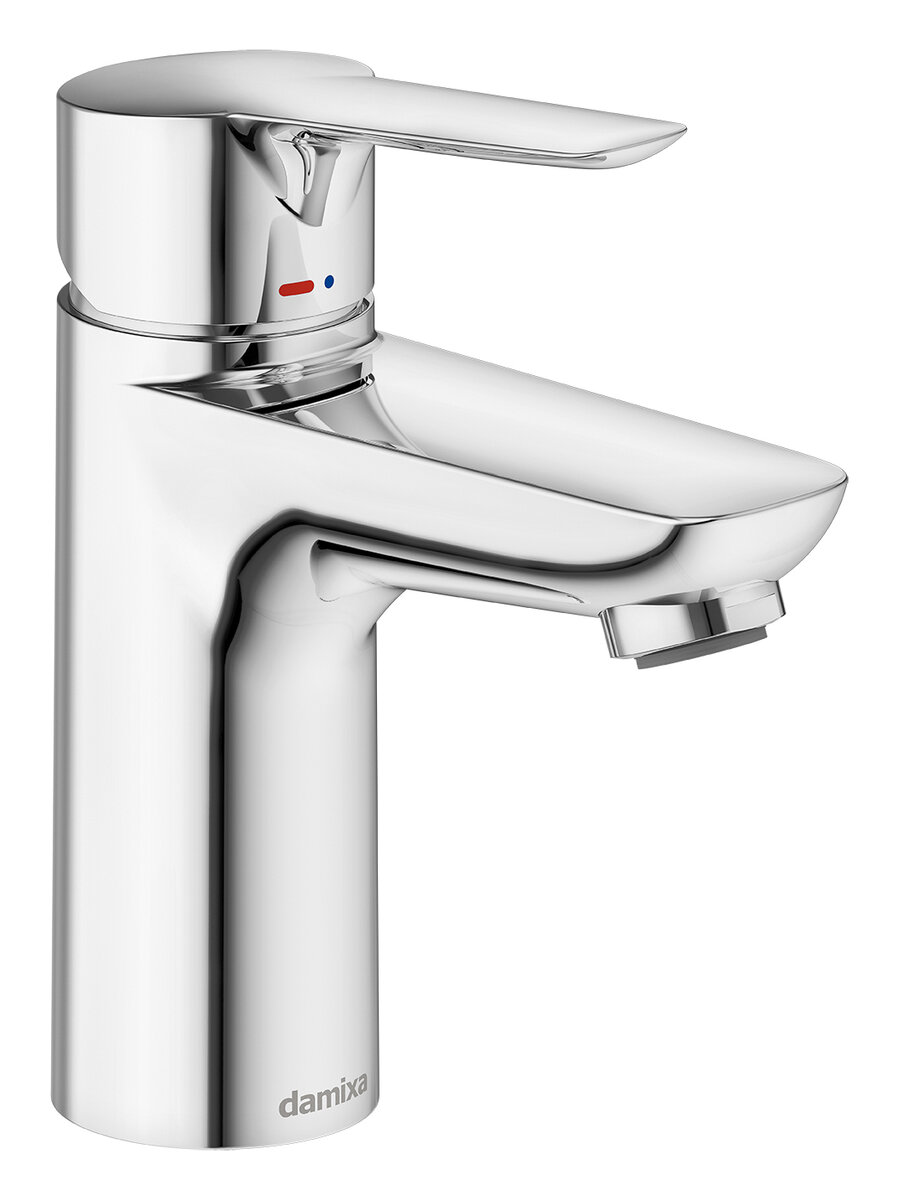
To create a more responsible future and support sustainable construction, it is essential to consider the entire lifecycle of a building. The same applies to our taps and shower systems.
That is why our best-selling products are covered by Environmental Product Declarations (EPDs) in accordance with the internationally recognised EPD certification framework. An EPD does more than demonstrate compliance with established standards; it provides transparent, verified information about a product’s environmental impact throughout its lifecycle.
By offering EPDs, we aim to create a clear link between our product portfolio and sustainable building practices, enabling architects, developers, consultants, and contractors to make well-informed decisions. This transparency helps create a better understanding of the environmental footprint associated with product choices and supports more responsible construction projects.
An Environmental Product Declaration (EPD) provides transparent and verified information about a product’s environmental impact throughout its entire lifecycle. It is an important tool for our professional customers when evaluating the environmental performance of building materials and supporting certification schemes such as DGNB, LEED, and BREEAM.
An EPD can be used directly as documentation and input for Life Cycle Assessments (LCAs) of buildings and can contribute to achieving points within certification systems such as DGNB.
Our EPDs are based on Life Cycle Assessments (LCAs), a recognised methodology for quantifying environmental impacts throughout a product’s lifecycle. By incorporating EPDs into the building process, they become a reliable source of information and documentation for assessing the environmental performance of construction projects.
This is particularly valuable in projects pursuing certifications such as DGNB, LEED, and BREEAM, where documented environmental data plays an important role in achieving certification targets. By providing comprehensive and reliable information, we help our customers make informed decisions that support both project requirements and responsible building practices.
Browse and download our Environmental Product Declarations (EPDs) directly from the database here
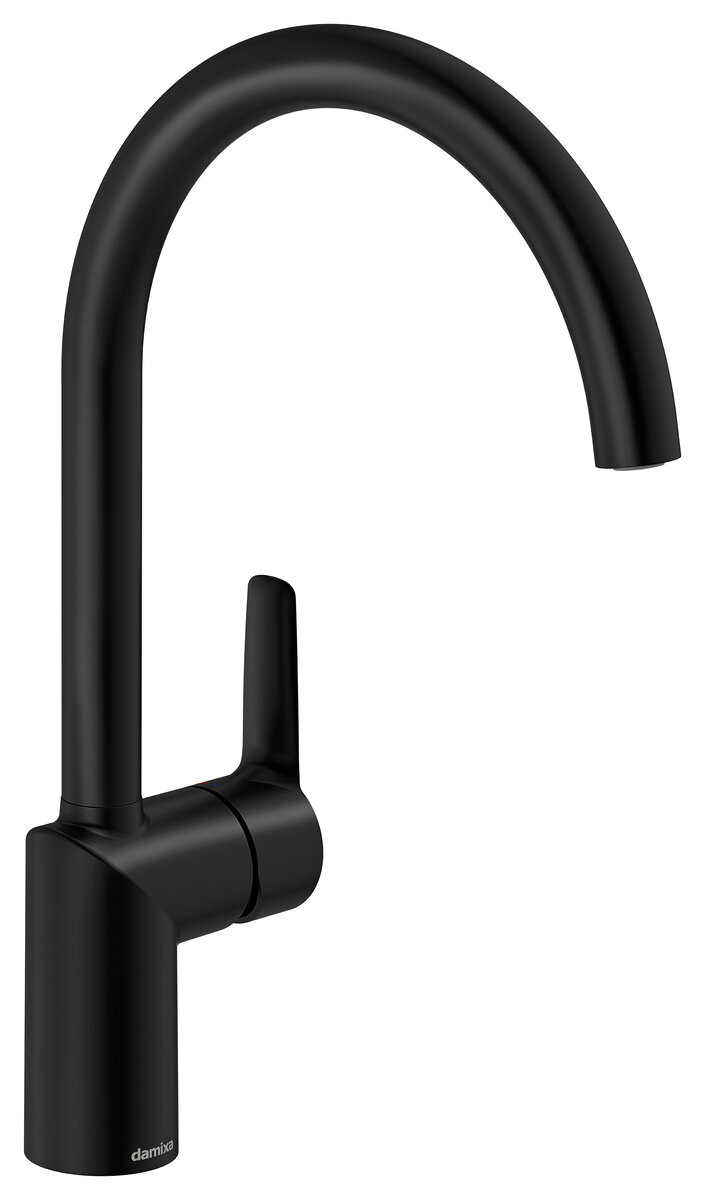
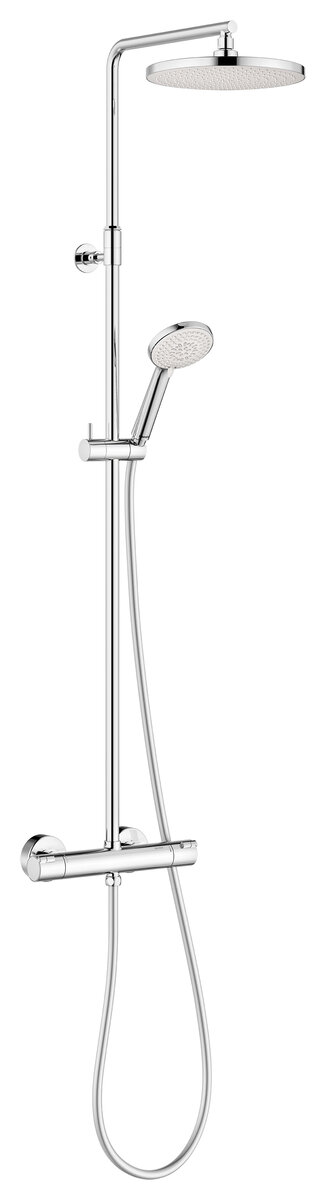
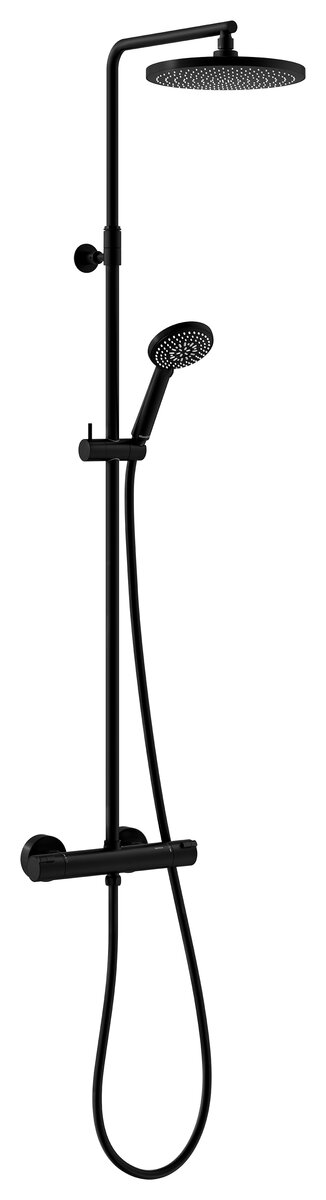
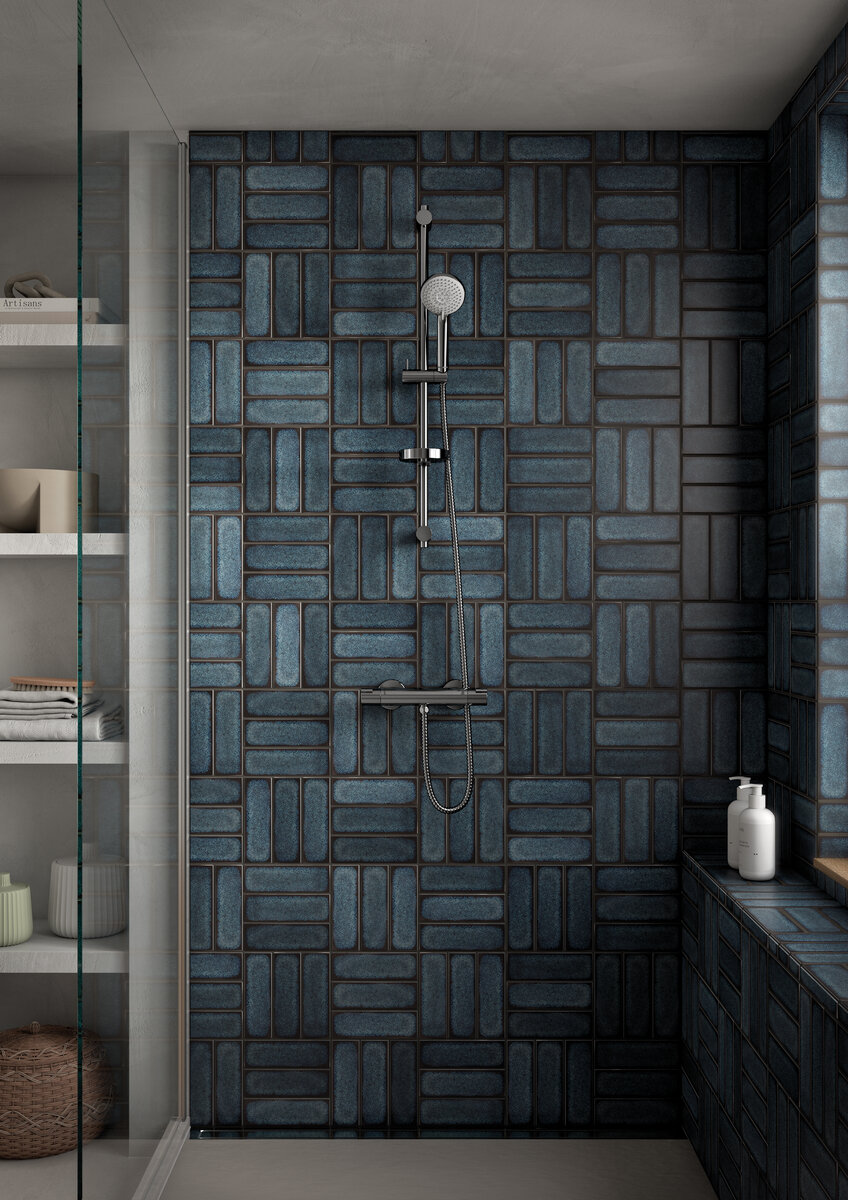
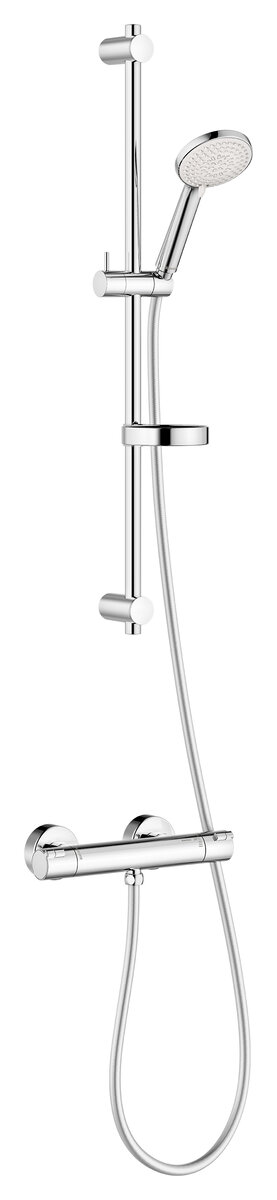
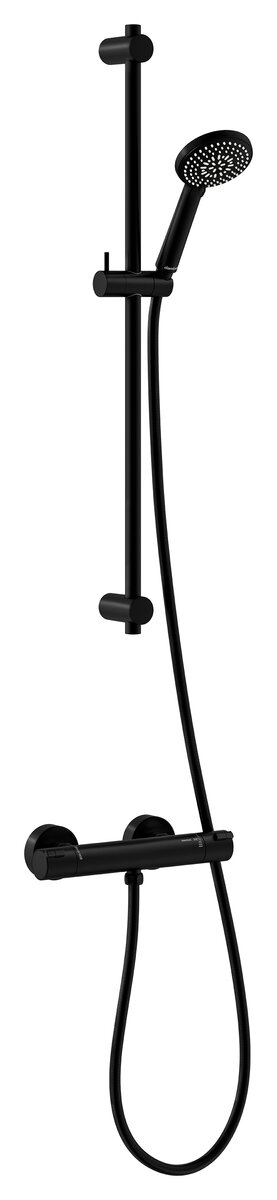
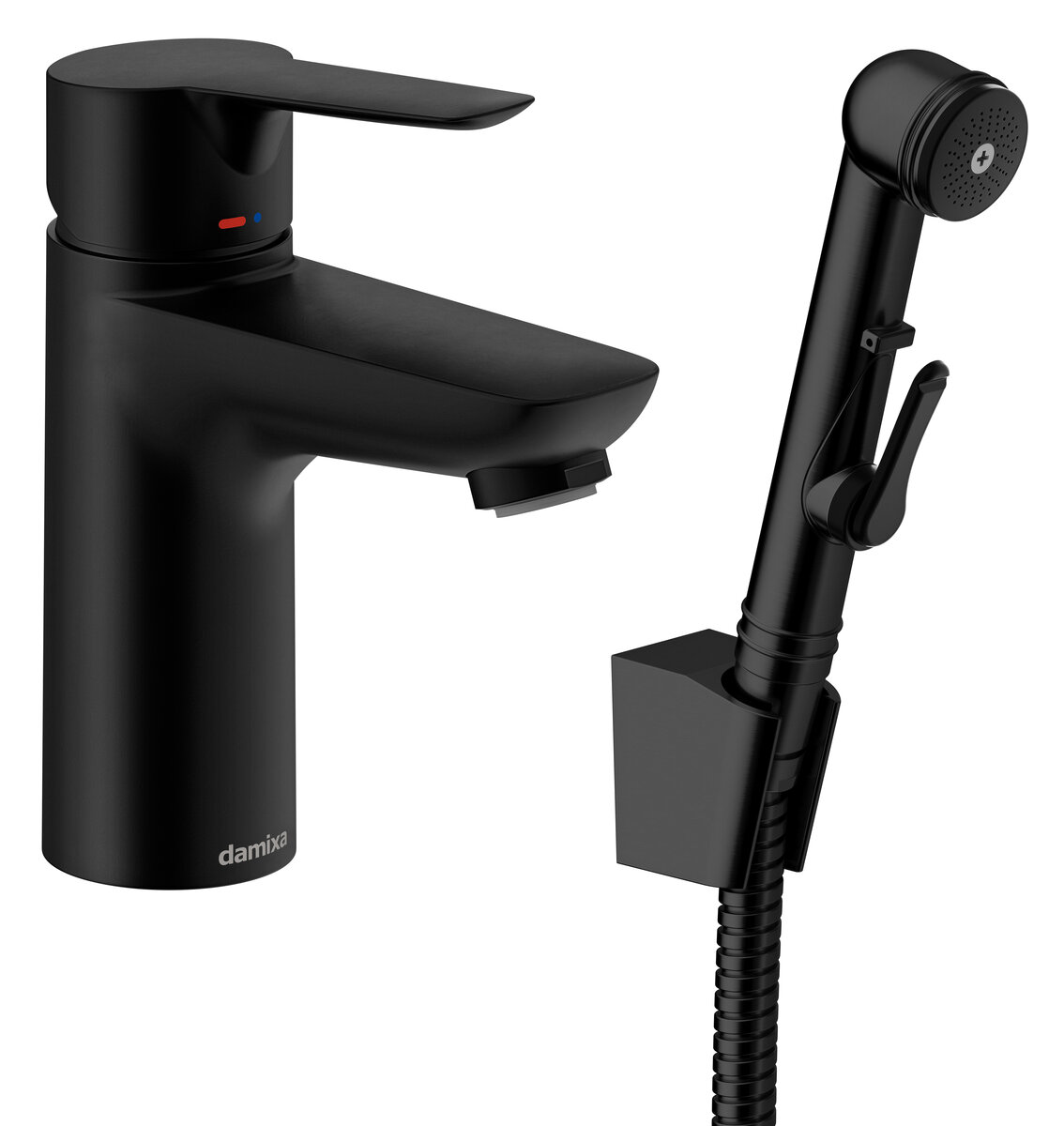
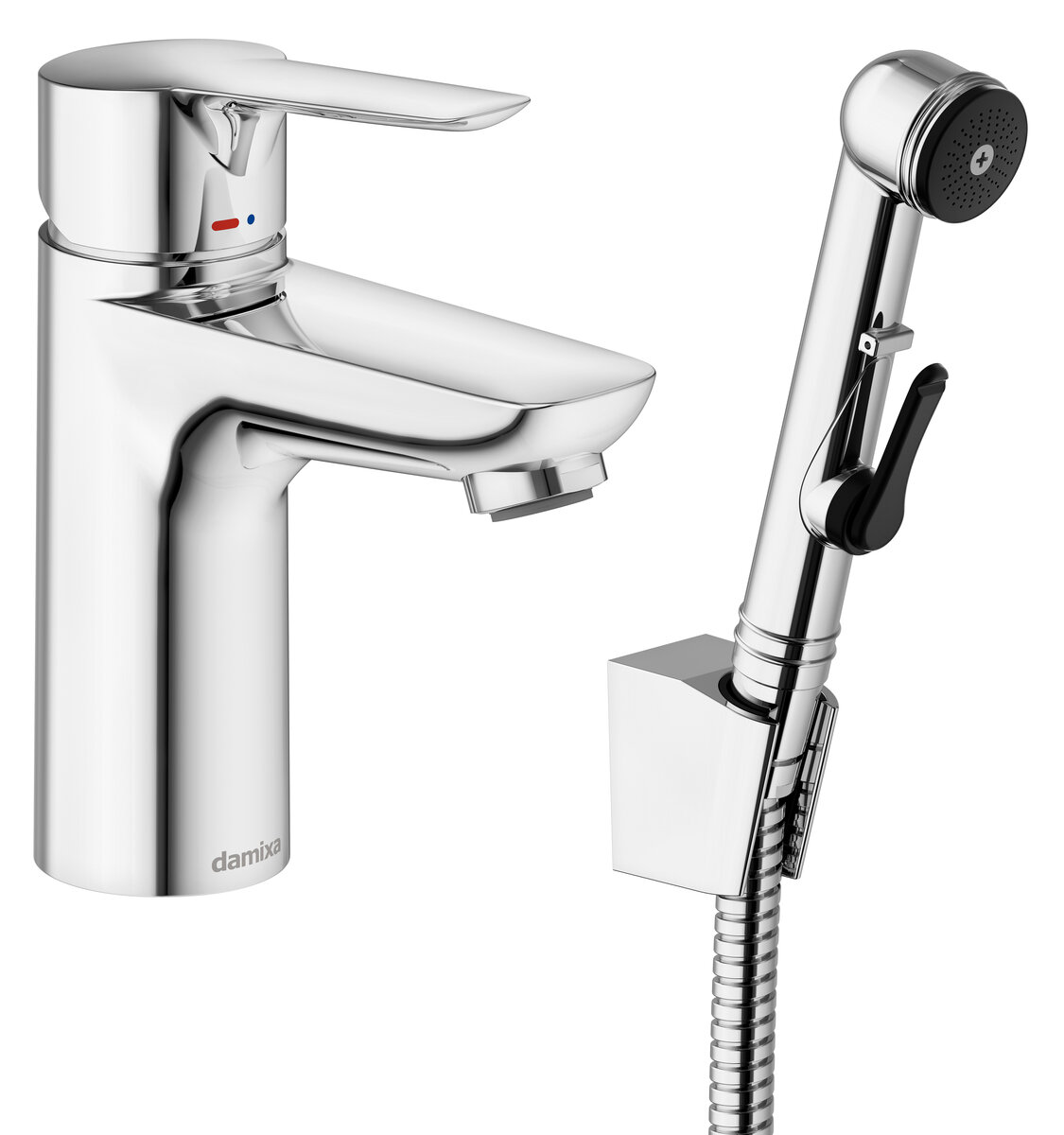

Have questions, need more information, or simply want to know more about how we work to reduce our footprint?Get in touch with our specialist, who will be happy to tell you more.

EU Taxonomy
The EU Taxonomy is a comprehensive classification framework developed by the European Union to establish clear criteria for identifying environmentally sustainable economic activities.
EPD
EPDs are widely used in the construction industry and form part of the basis for environmental assessments and certification schemes such as DGNB, helping to document and compare the environmental performance of building products.
Säker Vatten
Säker Vatten develops the industry regulations and audits plumbing companies operating in the Swedish market.

Energy Classification
The energy classification system enables transparent comparison of products based on their energy efficiency and performance characteristics.

LEED
LEED is a recognised rating system aimed at identifying and measuring environmentally friendly construction, operation, and maintenance practices.

DGNB
DGNB-certified buildings commit to achieving high sustainability standards throughout the entire building lifecycle, from design and planning to construction, operation, and eventual deconstruction.
Type Approval
Type approval is proof that the product complies with all applicable technical requirements, based on European and national standards.

Nordic Swan Ecolabel
Building projects can be certified with the Nordic Swan Ecolabel, which serves as a tool for guiding better environmental and climate-related choices.